Understanding CNC Machine Pricing Factors
January 19, 2026 • Cracent
CNC machines are vital in modern manufacturing. They offer precision and efficiency, transforming raw materials into finished products.
Understanding CNC machine pricing factors is crucial for businesses. It helps in making informed purchasing decisions.
CNC machine costs can vary widely. Factors like machine type, size, and capabilities play a significant role.
The complexity of technology and software also impacts pricing. Advanced features often come with higher costs.
Brand reputation and country of manufacture can influence prices. Well-known brands may charge more for their reliability.
Customization options and additional features can increase the price. Tailored solutions often come at a premium.
Maintenance and spare parts are ongoing costs. They should be considered in the overall CNC machine budget.
This CNC pricing guide will help you navigate these factors. Make informed decisions for your business investments.
What Are CNC Machines? An Overview
CNC stands for Computer Numerical Control. These machines use computers to control tools. This results in precision cutting, milling, and turning.
CNC machines are vital in numerous industries. They're used in automotive, aerospace, and electronics for various applications. This broad usage underscores their importance.
Key components of CNC machines include:
- Computer Control System: Directs the machine's operations.
- Cutting Tools: Implement the machining process.
- Workpiece Table: Holds the material in place during machining.
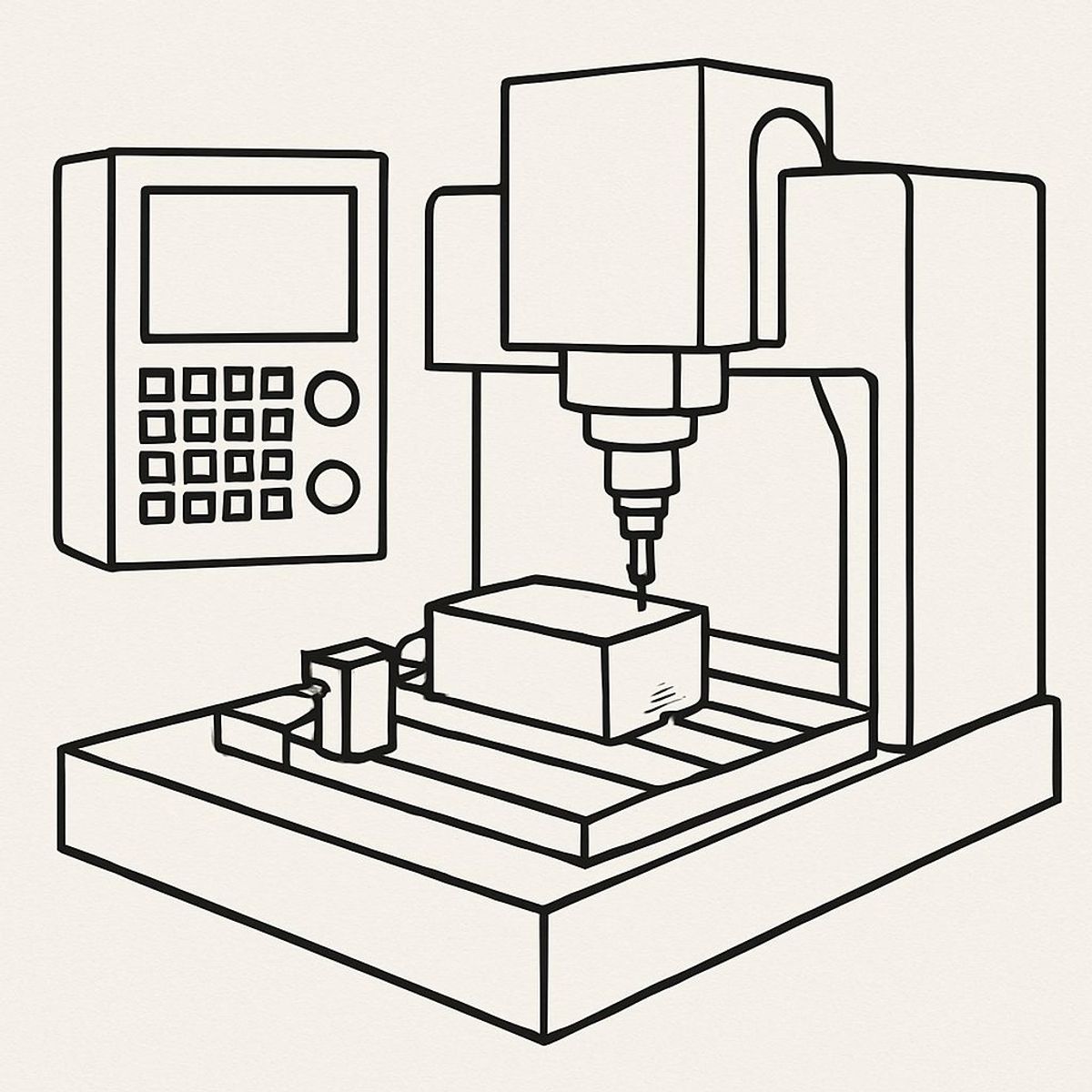
These machines offer various advantages. They increase production speed and reduce human error. CNC technology provides uniformity, especially in mass production.
Modern CNC machines also support complex designs. This is beneficial for creating intricate parts with high precision. Their versatility has made them a cornerstone in manufacturing sectors.
Why Understanding CNC Machine Costs Matters
Grasping CNC machine costs is crucial for making smart financial decisions. Machines represent a significant investment, affecting budgets and bottom lines. Knowing the cost factors helps allocate resources effectively.
Understanding these costs enables better planning and negotiation. It ensures organizations stay competitive by aligning spending with strategic goals. Here are a few reasons why understanding CNC machine costs is important:
- Allocating funds appropriately.
- Improving negotiation leverage.
- Ensuring cost-efficiency in operations.
By diving into these details, businesses can find value that aligns with their operational needs and financial limits. This knowledge empowers companies to invest wisely, maximizing returns and enhancing competitive advantage.
Key CNC Machine Pricing Factors
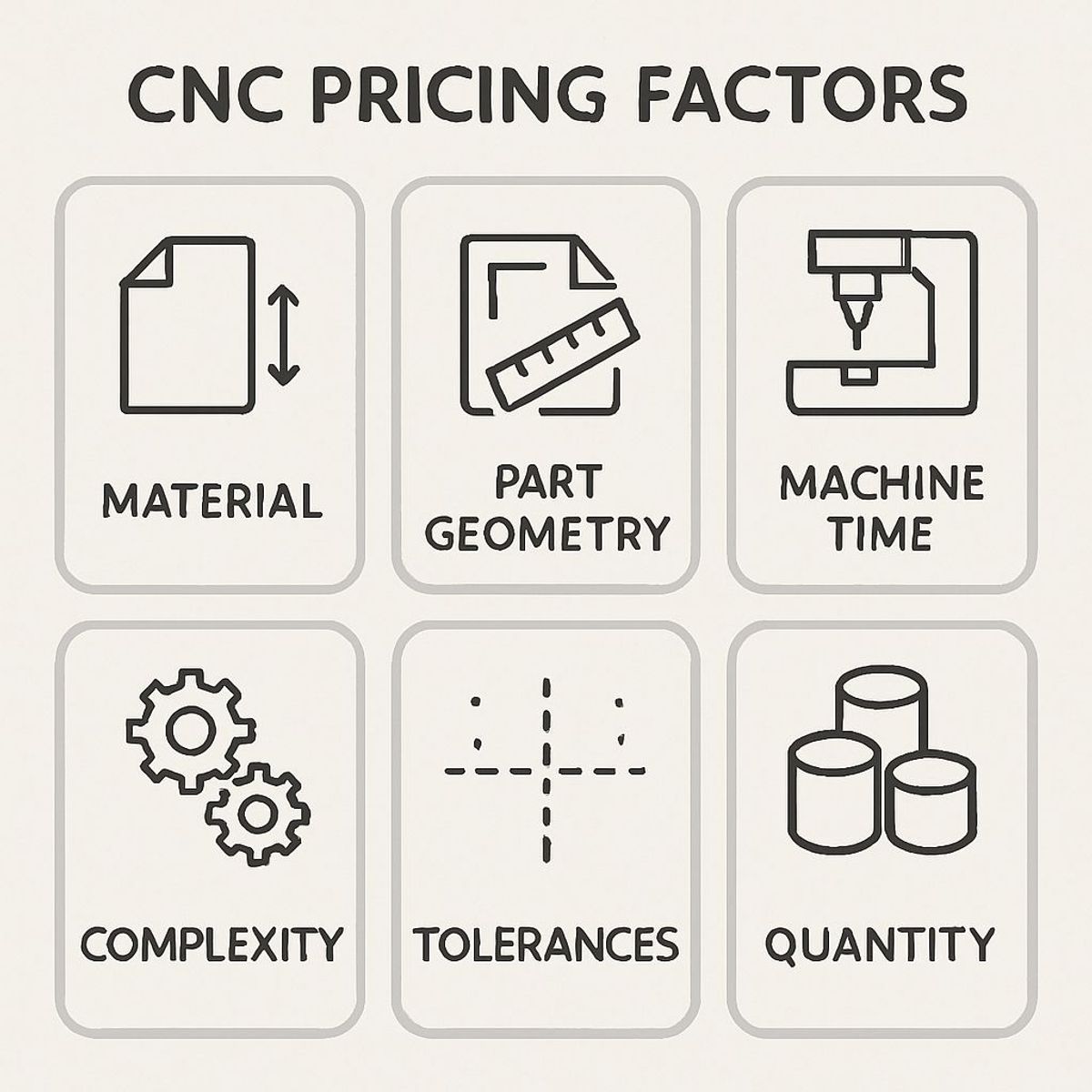
CNC machine pricing depends on several vital factors. Each factor contributes to the total cost of ownership. Understanding them is key.
Key factors include machine type, size, and technology level. Brand reputation and customization can also influence pricing significantly. Maintenance and energy costs add to the list, affecting the overall budget.
Considering these factors ensures you choose the right machine for your needs. Here's a summary of the main factors affecting CNC machine pricing:
- Machine type and size
- Technology and software
- Brand and country of manufacture
1. Machine Type and Size
Machine type and size play a crucial role in pricing. Larger machines often cost more due to their capability.
Different types serve diverse purposes, influencing their price. For instance, 3-axis machines may cost less than 5-axis alternatives. The size matters, too, as it determines the machine's materials and production capacity.
Price variations arise because different machines handle specific tasks. Consider your tasks and space when choosing a machine. Here's a brief look at machine types:
- 3-axis CNC machines
- 4-axis CNC machines
- 5-axis CNC machines
by Jakub Nawrot (https://unsplash.com/@jacob_lens)
2. Technology, Software, and Automation Level
The technology embedded within CNC machines largely impacts their pricing. New tech raises costs but enhances efficiency.
Advanced software is vital for improving precision and functionality. Machines with high automation levels can speed up production but may require substantial upfront investment.
These features make a machine more versatile but often come with higher costs. Here are factors to consider:
- Level of automation
- Software capabilities
- Technology complexity
by GuerrillaBuzz (https://unsplash.com/@guerrillabuzz)
3. Brand Reputation and Country of Manufacture
A brand's reputation often justifies its pricing. Well-known brands offer reliability and robust support systems.
Machines made in countries with high production standards usually come at premium prices. The origin can affect quality assurance and compliance.
Here are points to consider:
- Brand reputation
- Manufacturing standards
- Country of origin
4. Customization, Features, and Upgrades
Customization can increase CNC machine costs. Extra features add value but usually require more investment.
Upgrades allow businesses to evolve with technology. These options often attract premium pricing but enhance machine capabilities.
Things to consider:
- Customization options
- Potential upgrades
- Additional features
by ShareGrid (https://unsplash.com/@sharegrid)
5. Maintenance, Spare Parts, and Service
Ongoing maintenance affects the total cost. Machines require spare parts, impacting long-term expenses.
Manufacturers offering robust support services provide peace of mind but may cost more. Here are elements to account for:
- Cost of spare parts
- Frequency of maintenance
- Quality of customer service

by Yuriy Vertikov (https://unsplash.com/@noa69)
6. Energy Consumption and Efficiency
Energy usage contributes to operational costs. Machines with high efficiency save energy and reduce expenses over time.
Consider energy-efficient models to align with cost-saving goals. Important aspects include:
- Energy consumption levels
- Machine efficiency
- Long-term savings potential
7. Training, Support, and Warranty
Training is essential for optimal machine use. Extensive support and a good warranty can provide additional assurance.
These services can hike the upfront cost but offer value. Here are the key considerations:
- Availability of training
- Comprehensive support services
- Warranty terms
8. Market Demand, Supply Chain, and Price Fluctuations
Market conditions affect CNC pricing. Increased demand can raise prices, while supply chain issues may cause fluctuations.
Being aware of market dynamics can aid in strategic purchasing. Consider these factors:
- Current market demand
- Supply chain status
- Price volatility
9. Financing, Leasing, and Payment Options
Flexible financing or leasing options make purchasing easier. They help manage cash flow while acquiring necessary equipment.
These arrangements provide fiscal flexibility. Important factors:
- Available financing plans
- Leasing conditions
- Payment options
10. Import Duties, Taxes, and Shipping
Import duties and taxes can increase international purchase costs. Shipping costs should also be factored into the budget.
Global purchases require understanding of additional charges. Key elements to keep in mind:
- Import taxes
- Duty fees
- Shipping expenses
Total Cost of Ownership: Beyond the Sticker Price
When buying a CNC machine, the initial price is only part of the story. Total cost of ownership (TCO) includes all expenses over the machine's life. This broad approach offers a clear view of the investment.
Considering TCO means factoring in maintenance and energy costs. Regular maintenance keeps machines running but adds ongoing costs. Energy consumption impacts operational budgets as well.
Moreover, it's vital to account for repair costs and potential downtime. Understanding TCO ensures an informed and comprehensive budget.
Key aspects of TCO:
- Initial purchase price
- Maintenance and repair expenses
- Energy consumption
by Growtika (https://unsplash.com/@growtika)
New vs. Used CNC Machines: Cost Considerations
Choosing between new and used CNC machines significantly impacts the budget. New machines offer cutting-edge features and warranties. However, they come with higher upfront costs.
Used machines can be more economical. They allow businesses to obtain needed capabilities at a reduced cost. Consider their lifespan and potential maintenance needs.
Important points to evaluate include:
- Initial cost differences
- Warranty and service options
- Condition and lifespan of used equipment
by Hermeus (https://unsplash.com/@hermeus)
How to Build a Realistic CNC Machine Budget
Creating a budget for a CNC machine requires careful planning. Start by assessing your production needs and future goals. This helps in aligning the budget with operational requirements.
Next, consider all associated costs. These include initial purchase price, maintenance expenses, and potential upgrades. Focusing only on the sticker price can lead to budget overruns.
Finally, research financing options to find the best fit for your fiscal strategy. This could involve leasing, loans, or cash purchases. Wise budgeting ensures that your investment remains cost-effective throughout its lifecycle.
Key aspects for budget planning include:
- Machine type and size needs
- Additional feature considerations
- Financing and payment options
by Dithira Hettiarachchi (https://unsplash.com/@dithirah)
Tips for Reducing CNC Machine Costs
Cost reduction is crucial for maximizing your CNC investment. Begin by evaluating necessary features versus desirable extras. Cutting optional features can lead to significant savings.
Consider purchasing refurbished or second-hand machines. These can offer substantial cost reductions while maintaining quality. Assess condition and warranty to ensure they meet standards.
Negotiate with suppliers to find the best possible deal. Often, obtaining multiple quotes helps in driving prices down. This ensures you receive value for your investment.
Effective cost reduction strategies include:
- Evaluating essential versus optional features
- Considering refurbished machine options
- Negotiating supplier prices
by ZMorph All-in-One 3D Printers (https://unsplash.com/@zmorph3d)
Comparing Quotes and Choosing the Right Supplier
Choosing the right supplier involves more than just price evaluation. Consider the supplier's reputation, service quality, and support services offered. A supplier's ability to provide prompt technical support can be as valuable as competitive pricing.
When comparing quotes, look beyond the initial price. Focus on the total cost of ownership and value-added services. Make informed decisions by balancing cost with reliability and service.
To make an informed choice, consider:
- Supplier reputation and reliability
- Technical support and service offerings
- Comprehensive cost analysis beyond initial pricing
Future Trends: Technology, Digitalization, and CNC Pricing
CNC machine pricing is being reshaped by technological advancements. Digitalization and Industry 4.0 are key factors driving change. These trends are enhancing machine capabilities and affecting pricing models.
As technology evolves, expect more innovative features becoming standard. Predictive maintenance and real-time analytics are becoming crucial. Such advancements may lead to smarter, yet potentially more expensive, machines.
Key future trends include:
- Integration with IoT and smart factories
- Enhanced machine learning capabilities
- Increased demand for eco-efficient machines
by kuu akura (https://unsplash.com/@akurakuu)
Conclusion: Making Informed CNC Machine Investments
Understanding CNC machine pricing factors is critical to making sound investment choices. With many elements influencing cost, awareness is key to finding the right machine within budget.
Consider both the initial purchase and long-term ownership costs. Assessing both helps avoid surprises and align expenditure with business goals.
Key aspects to remember include:
- Evaluating total cost of ownership
- Comparing quotes from different suppliers
- Considering long-term support and service needs
Making informed decisions ensures your investment enhances productivity without financial strain.
🚀 Building a Hardware Product?
Cracent helps startups transform ideas into manufacturable, scalable products through structured R&D, DFM-led design, prototyping, and manufacturing support.
📩 Get in touch with Cracent:
- Website: cracent.com
- Email: info@cracent.com
- LinkedIn: Cracent
Cracent provides engineering, design, and manufacturing enablement services. Final manufacturing outcomes depend on supplier capabilities and project requirements.